The problem
The public is paying for the oil age.
When an oil project is too risky for private banks, the public sector steps in: the World Bank lends, export credit agencies guarantee, aid agencies budget. The bill goes to citizens, the profit to oil companies, and the emissions to the climate.
The total
$61.3 billion, since the year 2000.
$15.6 bn
US — the largest provider of oil aid (Export-Import Bank, OPIC, agencies).
$16.5 bn
European countries, collectively.
≈ $8 bn
World Bank Group — the largest multilateral lender to oil & gas.
>50%
of the oil aid was for projects whose oil is exported back to rich countries.
Source: Aiding Oil, Harming the Climate, Oil Change International, December 2007.
World Bank
The lender that "went green"... then grew.
The World Bank presents itself as a climate leader. Its own books tell another story: between fiscal years 2005 and 2006, its support for fossil fuel projects rose 93%, from $450 million to $869 million. In 2006, oil, gas and power represented 77% of the institution's entire energy portfolio — while "new renewables" (wind, solar, small hydro) counted for barely 5%.
In 2008, Bank Group fossil-fuel support broke the $2 billion mark for the first time, up 60% in a year; December 2008: lending for coal alone +256%. The private-sector arm (IFC) increased its oil company financing by 77% between 2005 and 2006.
Sources: Bank Information Center & Bank Group data, campaign archive 2007-2008.
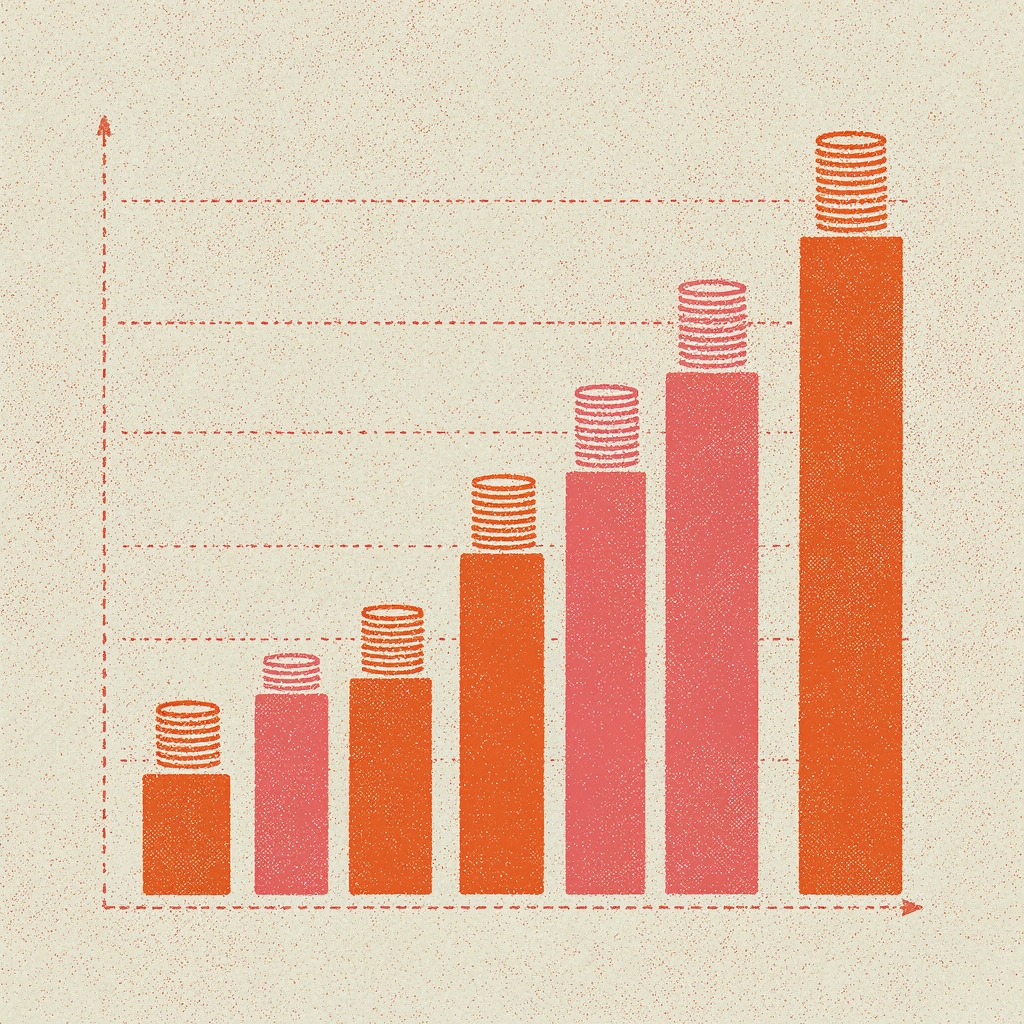
Rising public finance for fossil energy, 2005-2008 — the Bank's own records.

G8 & export credit
The same governments, twice.
At Gleneagles in 2005, the G8 pledged $50 billion in extra aid to Africa — then kept financing oil and gas projects that undercut the purpose of that aid. Export credit agencies (ECAs) underpinned the whole pattern: the US Export-Import Bank alone authorized $1.5 billion for oil, gas and petrochemical projects in 2005, and OPIC $580 million in oil and gas support, far more than in any renewable.
The G8's own leaked draft before Heiligendamm 2007 discussed limiting climate change to 2°C — without mentioning the >$250 billion per year in global fossil-fuel subsidies (Stern Review figure) sitting under its nose.
Sources: campaign archive 2005-2007, Stern Review (2006).
They fund more of the problem than the solution.
Worldwide fossil fuel subsidies exceed $250 billion a year. Meanwhile a handful of new renewable projects receives a tiny fraction of what the institutions lend to the oil age. The climate is not negotiated in the smoke of the summit — it is written in the budget lines of the World Bank, the G8 and the export credit agencies. Read the full evidence.