The report · December 2007 · Bali
Aiding Oil, Harming the Climate.
Published by Oil Change International at the Bali climate conference, December 6, 2007 — the first systematic account of how international public finance funds the oil and gas industry.
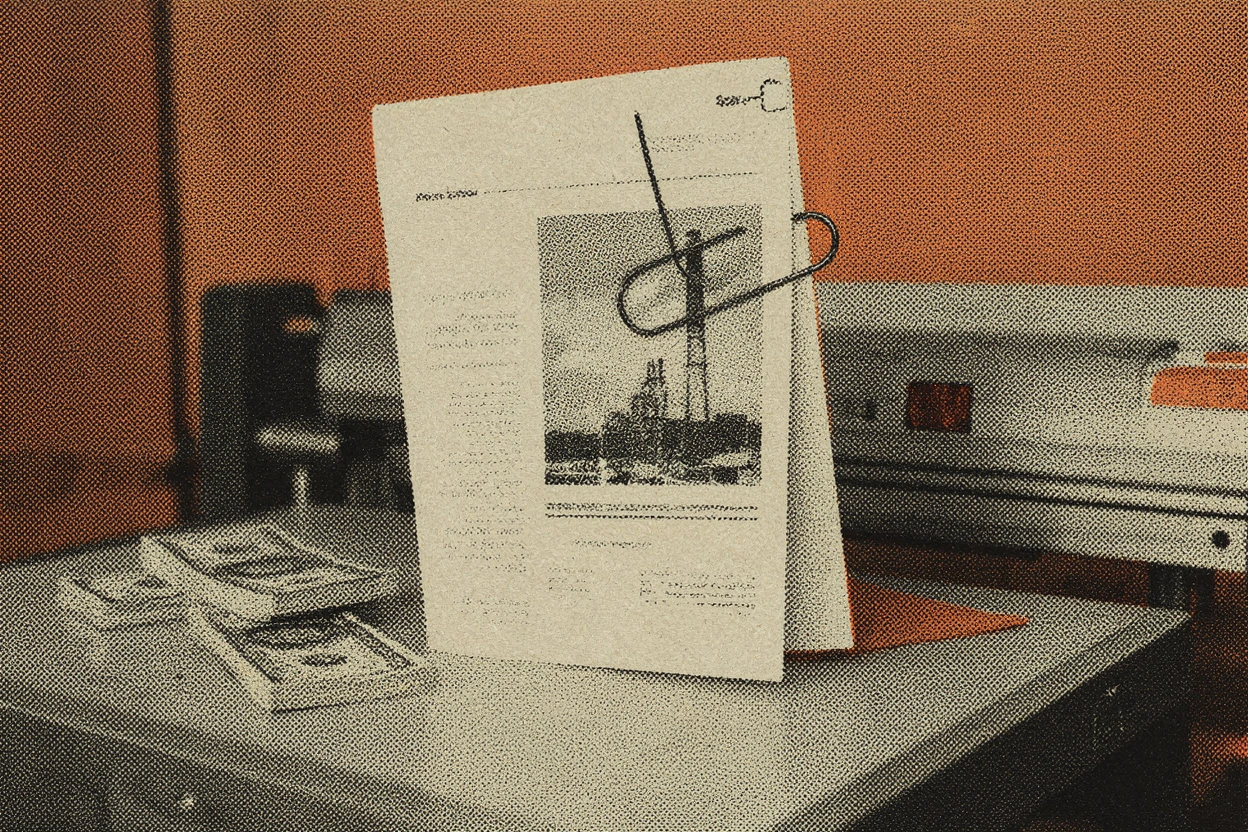
Report cover, Oil Change International — used with the campaign's archive.
What it shows
The invisible subsidy.
The report tracked every public dollar that international financial institutions — the World Bank Group, regional development banks, export credit agencies and development agencies — directed to the oil and gas industry in developing countries. What it found is a system, not a series of incidents.
The headline number: over $61.3 billion in international public financing benefited the oil and gas industry between 2000 and the end of 2007 — at a time when those same governments were negotiating climate treaties.
Key findings
Five numbers that changed the debate.
$61.3 bn
Total public financing that benefited the oil & gas industry since 2000 — half of it after the Kyoto Protocol was signed.
$15.6 bn
The United States — the world's largest provider of oil aid, via its export credit agencies and OPIC.
$16.5 bn
European countries as a bloc — nearly as much as the US, one project at a time.
≈ $8 bn
The World Bank Group, the largest multilateral financier of oil — mostly loans the Bank denies it gives.
1/3
Oil and gas combustion accounts for roughly a third of global greenhouse gas emissions — paid for, in part, with public money.
Exxon > $1 bn
Export credit agency support to Exxon Mobil alone since 1995 — more than most countries receive in renewable finance.
"The World Bank and other international institutions continue to fund more of the problem than the solution, pouring billions of dollars into oil and gas that undercut their own climate commitments."
Oil Change International — Aiding Oil, Harming the Climate, Bali, Dec 2007
The report was released alongside the online Oil Aid Database, a public record of the projects named — letting anyone trace the loans back to their institution.
What it calls for
The recommendations.
-
01
Stop the lending. An immediate ban on public financing for new oil extraction, refining, pipelines, terminals and petrochemical projects — by the World Bank, regional banks, export credit agencies and aid agencies.
-
02
Phase out existing oil portfolio. Apply the Extractive Industries Review: phase out World Bank investment in oil production by 2008, with a clear timetable and public review.
-
03
Center energy access. Redirect public finance toward renewables, decentralized energy and energy access for the poor — the actual purpose of development finance.
-
04
Make the numbers public. Complete transparency on every public loan, guarantee and insurance policy going to fossil fuel projects — including in the Oil Aid Database.