For the World Bank · for the G8 · for the export credit agencies
Stop public money for oil.
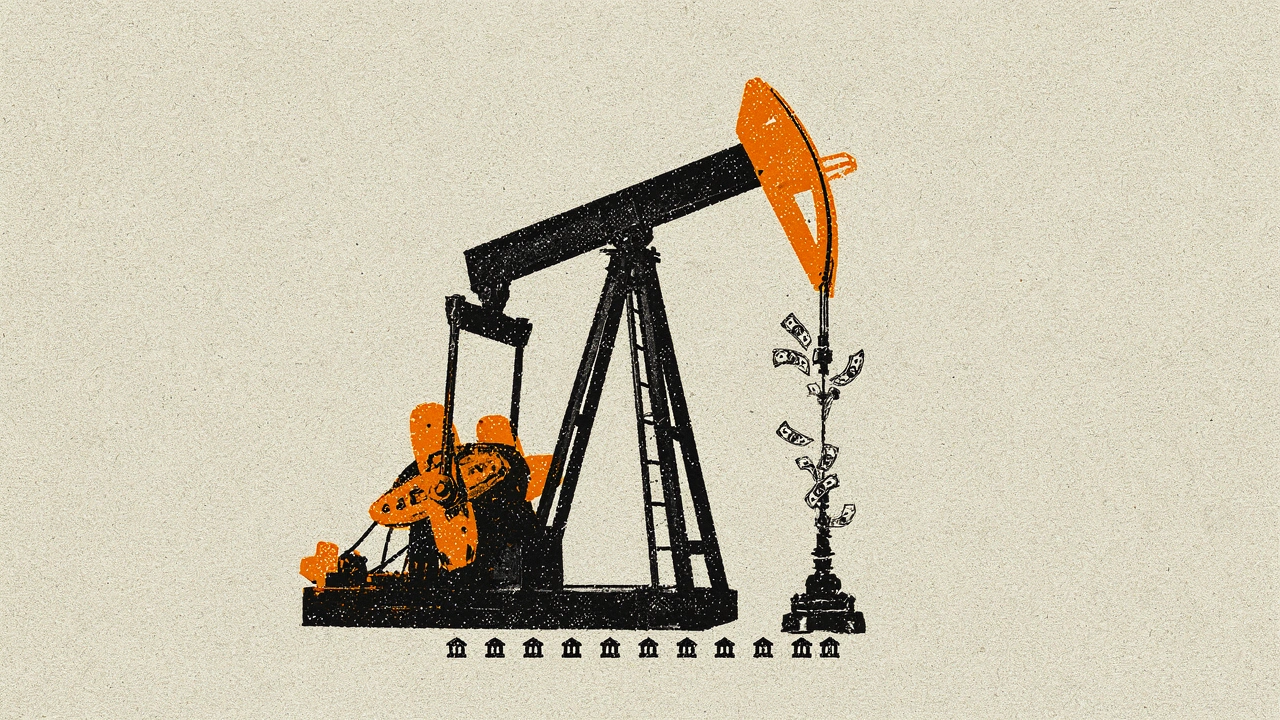
For two decades, the World Bank, the G8 and the export credit agencies quietly financed the oil age — lending and insuring billions of dollars for oil and gas projects in developing countries while promising to fight climate change.
The evidence, on paper
Public finance made the oil age possible.
$61.3 bn
of international public financing that benefited the oil & gas industry since 2000.
$15.6 bn
from the United States — the world's top provider of oil aid.
≈ $8 bn
from the World Bank Group, the largest multilateral lender to the oil & gas industry.
+256%
the increase in World Bank lending for coal in the year 2008.
Sources: Aiding Oil, Harming the Climate (Oil Change International, 2007) — campaign records 2008.
How it works
Three pipes of oil aid.
"Oil aid" is not innocent infrastructure. It is the invisible subsidy that lets the oil industry grow in developing countries while their governments borrow to cover the bill — and the climate pays it all.
01
Multilateral loans
The World Bank Group and regional development banks lend to oil fields, pipelines and power stations — the largest multilateral share: about $8 billion since 2000.
02
Export credit agencies
Agencies like the US Export–Import Bank or OPIC guarantee and insure oil projects, absorbing the risk that no private bank would take. Alone, the US authorized $1.5 billion for oil, gas and petrochemicals in 2005.
03
Bilateral "aid"
Development budgets are channelled toward mega-projects that export the oil back to rich countries — aid in name, oil aid in reality.
The contradiction
They promise climate leadership. They fund the sunset.
In 2005, the G8 pledged tens of billions in new aid to the poorest countries — including $50 billion promised at Gleneagles — while continuing to guarantee the loans for the oil industry. The World Bank's own review (the Extractive Industries Review, 2004) recommended an end to World Bank financing for oil production by 2008. Management ignored it.
By 2008 the bank's lending for coal grew 256% in one year. The contradiction is not accidental. It is a budget. See the numbers.
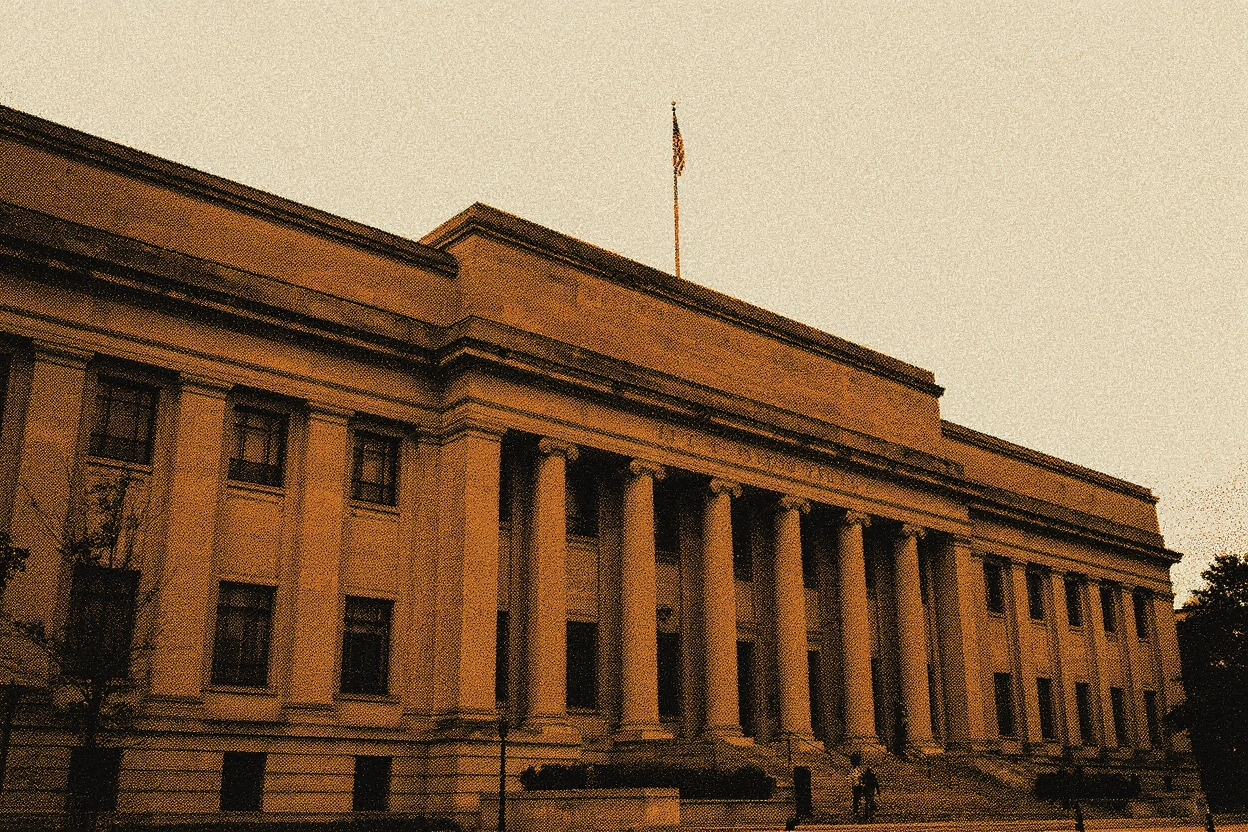
World Bank Group, Washington D.C. — largest multilateral financier of oil since 2000.
What came of it
The pressure worked — slowly.
2007 — The report
$61.3 billion exposed in Bali.
2013 — A first crack
The Bank limits new coal to "rare circumstances".
2017 — A real defence
The World Bank Group commits to end upstream oil & gas financing after 2019.
The fight is not over. The fight never was. From the bail-out of oil companies to
the pressure on the next finance ministers, the work of ending
public money for oil continues today. This site is the record of that record.
No more public money for oil.
Read the evidence, check the record of your institutions, and hold them out loud to it. Every page of this site is a lever.